
Black Walnut Tincture
Walnut tincture is revered for its use in both human
and animal medical care. A tincture is described as
being between 40-60% of alcohol that has been infused
with either oils or hulls. With a black walnut tincture
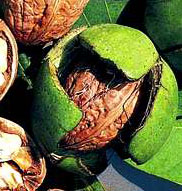
However, the basis of all tinctures is alcohol. When the walnuts are soaking, it is recommended that they be covered entirely in alcohol. They are usually left between three days and three weeks to ensure that the walnut tincture is strong and potent. There are several ways to create a tincture. Due to the type of alcohol that is used in the preparation, it may or may not be suitable for internal use. Always read the manufacturer's label to determine if it is recommended for only external, or both internal and external use.
The scientific name for black walnut is Juglans Nigra. It's also referred to as the American Walnut. The black walnut tree grows from the southern most parts of Canada to the most southern tips of both Florida and Texas. It is native to the eastern parts of North America, but has been introduced into European regions. It is a hardy tree that grows to heights reaching between 100 and 130 feet.
Walnut tincture is an important aspect of herbal medicine, and has been used for thousands of years. There are many conditions that both the medical and alternative medical community treats on a regular basis. The idea of alternative medicine or using non-traditional methods to cure illness and disease is often a controversial topic. For those who have found success with herbs and alternative medicine, there is no doubt that the use of a walnut tincture is prevalent. From the early Romans to the middle ages, walnut has played a vital role in helping to treat a variety of conditions and illnesses.
There are two main ingredients in walnuts that are attributed with the plants healing abilities. The first is juglone and the second is tannins. Juglone is rich in all parts of the black walnut, from the leaves and bark to the nut. This chemical is very strong and is toxic to other plants. In fact when the black walnut tree grows in the wild, it is often solitary or separate from many other species as to the high toxicity level of the Juglone in the tree. However, there are certain grasses that thrive by being in close proximity to the tree. Because Juglone has a high toxicity level, it is also strong for the purpose of healing. Juglone is powerful for treating parasites, intestinal worms, fungus, and is even being used in a treatment for cancer. Thought the FDA doesn't regulate the use of herbs or monitor their effectiveness, they are often used with great success by alternative health practitioners.
The other chemical that makes black walnut a powerful herb in the fight against sickness and disease is tannins. Tannins are used by plants and trees to protect them from parasitic invasions and bacteria. Tannins are readily abundant in a wide variety of fruits, nuts, seeds, berries, and herbs. They hold great use for animal and human health as they help the body build resistance to bacteria and parasites. They are also found in tea and wine and have a direct impact on why these drinks are known for their health giving properties. Tannins are polyphenols, at one point; they were referred to as Vitamin P. Polyphenols are antioxidants, and you can rest assured that when you take a walnut tincture you are getting all of the same benefits of an antioxidant.
In addition to Juglone and tannins, black walnut is also high in chromium and iodine. Iodine is highly antiseptic and helps stimulate the function of the thyroid. The affects of iodine on energy levels have been proved and it can help increase mental awareness and lessen the effects of fatigue and depression. Iodine will also attack harmful bacteria and helps strengthen the immune system. It is the combination of these chemicals that make it such a vital tool in the fight against sickness.
If you are receiving medical treatment for a condition and are considering using black walnut tincture you should discuss this with your health care provider. Though walnut is a natural compound, there can be reactions with other vitamins, minerals, herbal supplements, or prescription medication. Always speak to your health care provider and make certain that you let him or her know of any herbal remedies, tinctures, or other preparations that you are taking.
Many people make the mistake of believing that just because something is natural it isn't powerful or potentially harmful. It is because herbal remedies are so powerful, that they can apply those properties against bacteria, fungi, and germs. You must let your health care provider know of everything that you take, including over the counter remedies, herbal preparations and formulas, and vitamins and mineral supplements.
Black walnut is known for its antiseptic, germicidal, and anti parasitic properties. It also works for many digestive orders. It can be applied topically, in the form of a walnut tincture or oil and is used for treating skin conditions that are the result of infection, fungus, or bacteria. It has been successful in treating athlete's foot, yeast or candida, ringworm, and thrush. Other skin conditions that have shown good response to black walnut tincture include psoriasis and eczema.
Internally, it is used for removing parasites from the intestines and helps to regulate thyroid function. It removes worms from both humans and pets and has been used for treating parasitic conditions in dogs, cats, and horses. Additionally, many have found that regular treatment with black walnut can also assist in weight loss, as it is believed to balance glucose levels. Remember that it is important to read the label on any walnut tincture you purchase to ensure whether or not it can be taken internally.